


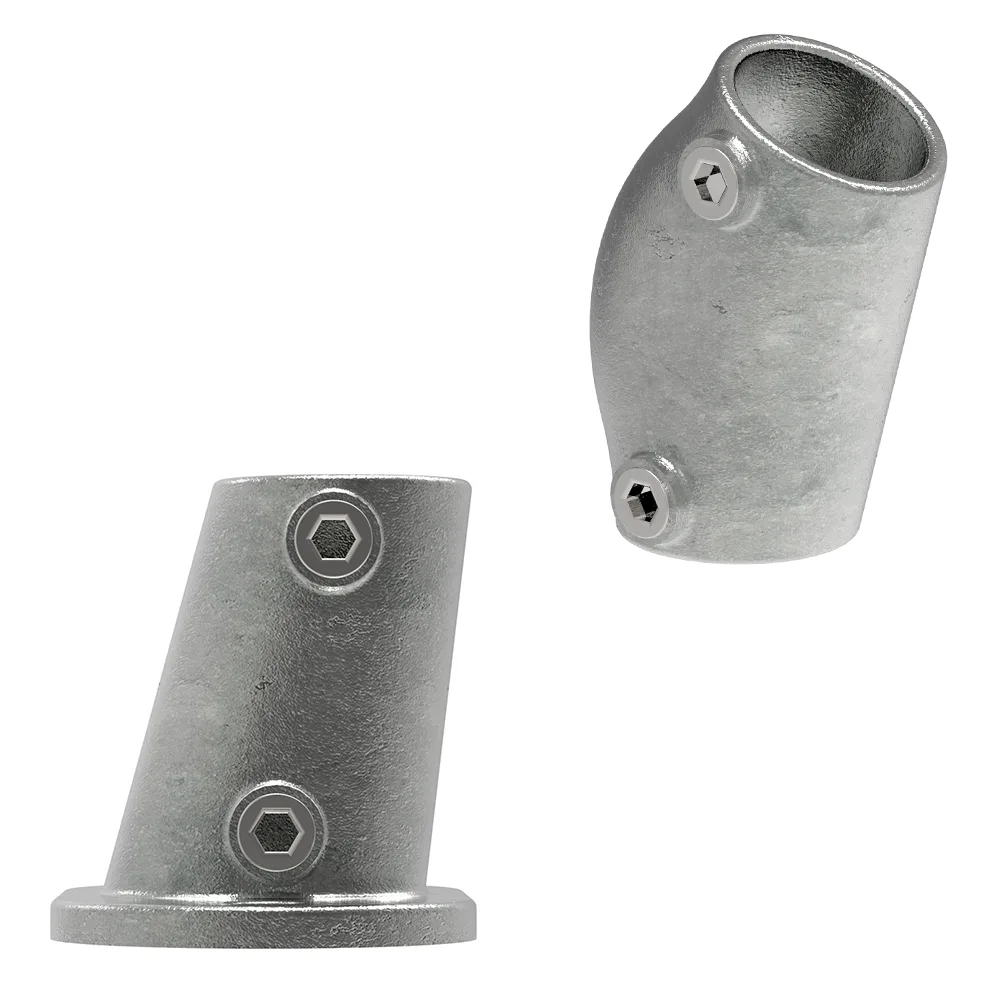


 Pipe connector
 Stainless steel components
 Wrought iron
 Grating steps
 Grating
 Sliding gate fittings
 Sealing plugs and protective caps


Long-lasting protection
High-quality micaceous iron oxide coating for long-term corrosion protection – now available at Fenau!
Our micaceous iron oxide coating is ideal for decorative, long-term corrosion protection of galvanised steel, sheet metal, aluminium or primed substrates. It also provides optimum protection as a protective coating for rigid PVC and GRP (glass-fibre reinforced plastic).
Versatile applications:
- Industrial plants
- Halls
- Steel structures
- Garage doors
- Fences
- Pipes and many other applications
Benefit from the outstanding quality and durability of our micaceous iron oxide coating. Visit Fenau today and discover our comprehensive range for your individual requirements!
Why buy from Fenau?
- Comprehensive range: everything you need for perfect corrosion protection.
- Outstanding quality: products you can rely on.
- Expert advice: our experienced team is on hand to help you.
Don't hesitate – secure the best corrosion protection for your projects, only at Fenau!


Schuppenpanzer P - FENCES ! and STEEL
High-build coating
Fast-drying top coat for fences and steel structures
Decorative long-term corrosion protection for galvanised steel, sheet metal, aluminium or primed substrates, and as a decorative protective coating for rigid PVC and GRP, e.g. industrial plant, halls, steel structures, garage doors, fences, pipes etc.
Product features:
Our corrosion protection coatings offer the following features:
- Long-term corrosion protection: All products provide reliable, long-lasting protection against corrosion, even under the toughest conditions.
- Weather resistance: Resistant to water, chemicals and extreme temperatures, our coatings are suitable for use in a wide range of climates and environments.
- Easy application: The coatings are easy to apply, both for professional and DIY use. They can be brushed, rolled or sprayed.
- Versatility: Our products are suitable for a variety of substrates such as steel, aluminium, galvanised surfaces and plastics.
Applications:
Our corrosion protection coatings are ideal for protecting and decorating a wide range of surfaces, including:
- Steel structures and pipework
- Industrial plant and machinery
- Halls and buildings
- Garage doors and fences
- Modern and antique wrought ironwork
Consumption:
- 300 - 350 g/m2
Dry film thickness:
- 80 - 100 μm

Efficiency – saves working time & money.

Resistance to aggressive atmospheres.
When a material is described as "resistant to aggressive atmospheres", this means that it remains stable under such conditions and that its properties (such as strength, colour and structure) are not significantly impaired. This is particularly important in industrial or extreme environments, where materials are often exposed to extreme conditions.

Drying, fast surface & through drying.
Fast surface and through drying means that the applied material (e.g. a paint or lacquer) dries and hardens more quickly both on the surface and in depth than is the case with conventional materials. This can be desirable for a number of reasons:
Time savings
Cost-effectiveness: In industrial processes where time and efficiency are critical, fast drying can lead to cost savings.


Schuppenpanzer O for roofs
Top coat
Weather-resistant coating material
Decorative long-term corrosion protection for galvanised steel or primed substrates, e.g. roofs, gutters, pipes, etc.
Product features:
Our corrosion protection coatings offer the following benefits:
- Long-term corrosion protection: Effectively protects galvanised surfaces against corrosion and extends the service life of the treated materials.
- High weather resistance: These coatings withstand a wide range of weather conditions, including intense UV radiation and high humidity.
- Versatile applications: Suitable for various substrates such as galvanised steel, aluminium and primed surfaces. Ideal for roofs, gutters, pipes and more.
- Environmentally friendly: Many of our products are free from environmentally harmful heavy metal compounds and thus contribute to occupational safety and environmental protection.
Areas of application:
Our corrosion protection coatings are ideally suited for:
- Galvanised steel structures
- Roofs and façades
- Gutters and downpipes
- Pipework and fences
- Existing coatings that need to be refreshed and protected
Consumption:
- 80 g/m2
Dry film thickness:
- 40 μm


Schuppenpanzer Unigrund P
Base for paint systems
High-build universal primers for steel, zinc, aluminium and rigid PVC, e.g. industrial plant, steel structures, pipework, halls, garage doors, fences, modern and antique wrought ironwork
Available in white, mouse grey, oxide red
Product features:
Our high-performance corrosion protection products offer the following features:
- Long-term corrosion protection: developed to extend the service life of steel, aluminium and galvanised surfaces by providing effective protection against corrosion.
- Durability: our products are resistant to weathering, chemical loads and high temperatures, making them ideal for demanding environments.
- Easy application: the coatings are effortless to apply, whether by brush, roller or spray, and provide even coverage and strong adhesion.
- Versatile use: suitable for a wide range of applications, including industrial plant, steel structures, garage doors and more.
Areas of application:
Our corrosion protection coatings are ideal for protecting a wide variety of surfaces and extending their service life, particularly in the following areas:
- Industrial plant: protection of machinery, pipework and other industrial equipment.
- Structures: increased durability of steel structures, halls and fences.
- Wrought ironwork: suitable for both modern and antique pieces, preserving their aesthetic and functional value.
Product recommendations:
In this category you will find proven products such as:
SCHUPPENPANZER®-P high-build: a coloured high-build coating developed specifically for protecting galvanised steel, aluminium and primed surfaces. It offers outstanding weather resistance and is ideal for use under extreme conditions.
SCHUPPENPANZER®-Unigrund-P: a fast-drying universal primer that forms an excellent base for durable paint systems. It is suitable for steel, zinc and aluminium and can be overcoated with solvent-based paints
Consumption:
- 200 - 300 g/m2
Dry film thickness:
- 80 - 100 μm
Schuppenpanzer Zinc Protection
For protection and touch-ups
For the protective coating of objects exposed to severe corrosion and for touching up damaged areas on galvanised surfaces.
Available in zinc grey
Consumption:
- 200 g/m2
Dry film thickness:
- 40 μm


Brush
A brush allows you to apply thick coats. Apply SCHUPPENPANZER evenly and generously without spreading it out too thinly. Make sure to brush in one direction only so that the pigments align correctly along the brush stroke. The material offers good flow and levelling. Only thin SCHUPPENPANZER to compensate for evaporation losses.

Roller
A roller allows large areas to be coated quickly and with virtually no material loss. No blistering occurs when applying SCHUPPENPANZER. The film thickness is usually slightly lower than with other methods, so an additional coat is required. Make sure to roll the material evenly in one direction. With SCHUPPENPANZER P, streaking may occur due to rapid drying. When rolling, too, SCHUPPENPANZER should only be thinned to compensate for evaporation losses.

Airless spraying
For airless spraying, SCHUPPENPANZER should be applied as far as possible undiluted, using a large nozzle (0,41 mm - 0,66 mm), high pressure (at least 180 bar) and a coarse filter mesh (at least 250 µm). This method achieves higher film thicknesses than roller application

Air spray application
When applying by air spray, SCHUPPENPANZER is applied at high pressure with a large nozzle (2,2 - 2,5 mm) and with as little thinning as possible. Please note that SCHUPPENPANZER is not a car paint. If a particularly fine surface is required, a light mist coat of thinned material can be applied at the end.

ESTA application
ESTA application is possible in order to minimise material losses. However, this method is not recommended when using SCHUPPENPANZER P Dickschicht bürstbar or SCHUPPENPANZER Zinkschutz.

Existing paint coatings
Galvanised surfaces beneath a primer must not be overcoated with synthetic resin paints. Always use the same system (synthetic resin on synthetic resin, PVC on PVC). The new coating must be more elastic than the primer in order to prevent cracking. Loose existing coatings must be removed and thorough cleaning is required. The surface must be dry before the new coat is applied. Light sanding or blasting is ideal and should be tested on an inconspicuous area


Steel
With appropriate pre-treatment, steel provides an unproblematic substrate. Without such treatment, however, there is a considerable risk of corrosion, as corrosion can begin immediately depending on the ambient conditions. This typically shows as discolouration caused by iron oxide.
The substrate offers the best properties when the surface is pre-treated by blasting and then coated immediately or, for example, phosphated. In general, it is recommended to work on steel substrates with a blasting depth of at least 40 µm and a cleanliness grade of at least SA 2 ½. The use of rust converters is not recommended.

Galvanised steel
With galvanised steel, corrosion begins immediately, although it is difficult to detect because of the white rust that forms. Zinc is not resistant to acids and alkalis, which are frequently found in industrial atmospheres.
Galvanised steel is a demanding substrate for coatings. Application errors often go undetected for a long time. The use of unsuitable paint systems, such as synthetic resin paints, can lead to the formation of zinc soaps, resulting in a loss of adhesion. Inadequate preparation can leave residues from the galvanising process (e.g. flux, zinc ash) or corrosion products formed during storage and transport (e.g. zinc oxide, zinc hydroxide, zinc carbonate) on the surface.

Aluminium
Aluminium provides a straightforward substrate for suitable coating systems. The coating is applied primarily for visual reasons and to protect against aluminium's limited resistance to alkalis and certain acids, such as those found in industrial atmospheres.
Preparation requires thorough cleaning and, where necessary, light sanding of the surface.